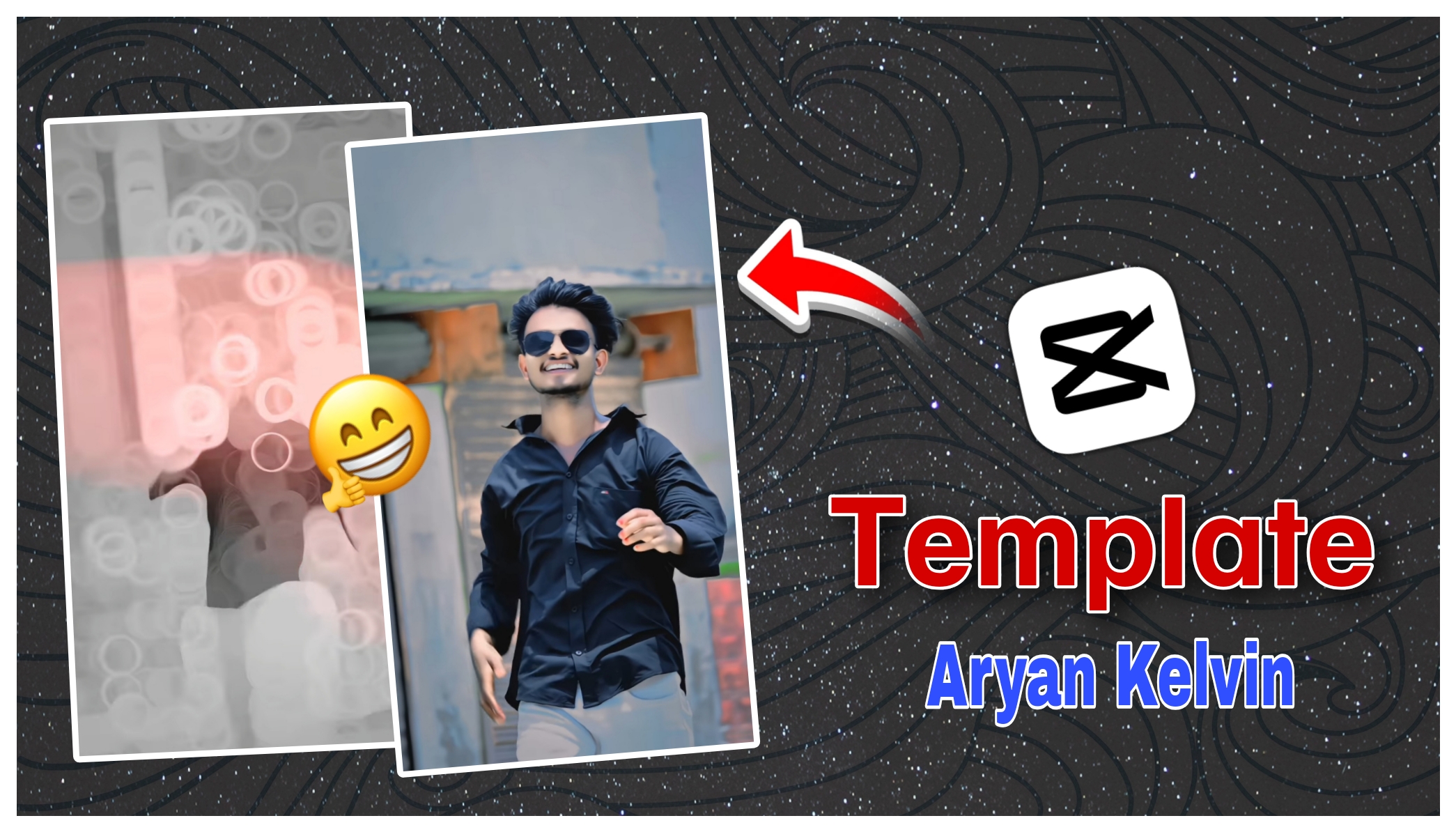
The video opens with a highly stylized, high-contrast monochrome aesthetic that relies heavily on digital abstraction. The entire scene is initially filtered through an intense black-and-white lens, heavily distorted by a dense layer of overlapping, translucent circle overlays that mimic an exaggerated digital bokeh or bubble effect. This effect obscures the subject initially, creating a sense of mystery and anticipation. As the video transitions into the main segment, the harsh black-and-white filter gives way to a vibrant, highly saturated color palette. The color grading emphasizes bright, clean tones with sharp contrasts, making the subject’s black shirt stand out deeply against the light-colored pants and the outdoor background. The atmospheric tone shifts rapidly from an underground, edgy digital vibe into a confident, high-energy, and fashionable lifestyle presentation, perfect for short-form social media reels.
Subject Presentation, Styling, and Expressions
The central focus of the video is a young man embodying a confident, charismatic, and slightly defiant attitude. He is dressed in a classic, sharp outfit consisting of an unbuttoned black long-sleeve shirt worn loosely over a white undershirt, paired with clean, light-colored or white trousers. His accessories play a crucial role in his presentation; he wears dark, stylized sunglasses that add an air of cool detachment. Throughout the video, his expressions transition from a serious, intense demeanor during the initial audio dialogue to a wide, bright smile as the musical beat drops. His body language is highly expressive and rhythmic, featuring actions like running his hand through his hair, striking poses, smiling directly at the camera, and gesturing confidently to match the upbeat energy of the transition.
Dynamic Video Transitions and CapCut Effects
The video relies heavily on signature CapCut effects and transition templates to drive its visual rhythm. The most prominent feature is the “Circle Blur” or “Bubble Zoom” overlay effect used in the first few seconds, which creates a pulsing, dreamlike blur across the screen. This is followed by a sudden, sharp screen flash transition that cuts through a black frame, acting as the visual “drop” that shifts the video from the dialogue section into the main performance. Once the music kicks in, CapCut’s split-screen and mirror effects are utilized to create a dynamic multi-frame layout, temporarily dividing the screen into three horizontal or vertical segments showing mirrored versions of the subject. The video also incorporates smooth zoom-in and zoom-out keyframe animations, giving the static camera angles a moving, fluid momentum that aligns perfectly with the music.
Camera Angles, Framing, and Spatial Composition
The video utilizes a mid-shot framing that captures the subject from the waist up, keeping him dead-center in the composition to maintain the viewer’s undivided attention. The camera remains relatively stationary, allowing the digital edits, effects, and the subject’s own movements to create the illusion of complex camera work. The background appears to be an outdoor urban or semi-urban setting, featuring elements like a metal gate and brick textures, which are heavily blurred using a shallow depth-of-field effect to isolate the subject from his surroundings. During the split-screen sequences, the spatial composition expands creatively, utilizing symmetry and repetition to fill the vertical format of the video frame efficiently, making it visually engaging for mobile viewers browsing through short-form content platforms.

Conclusion
This short-form video serves as an excellent blueprint for a viral social media reel, showcasing how a creator can use simple mobile editing tools to achieve a high-energy, engaging result. By combining a dramatic dialogue intro with a high-BPM musical transition, the content effectively hooks the viewer’s attention within the first three seconds. The strategic use of CapCut’s trending effects—such as the initial circle blur bokeh, screen flashes, and multi-frame mirroring—transforms a straightforward, single-location smartphone recording into a dynamic and stylish performance. Ultimate success in replicating this format relies on the precise synchronization of visual cuts with the audio beats, alongside a confident screen presence from the creator.